Master Your Craft with the Coffee Roasting Log Book
There is a specific kind of magic in the alchemy of turning green coffee beans into a perfect roast. It is a process of science, intuition, and sensory detail. For the artisan roaster, the home hobbyist, or the café owner curating their signature blend, consistency is everything. Yet, relying on memory or scattered notes is a recipe for frustration. The Coffee Roasting Log Book | KDP Interior is more than a simple notebook; it is a foundational tool designed to transform your roasting practice from guesswork into a repeatable, professional craft. This interior provides the structure needed to document, analyze, and ultimately perfect your process, one batch at a time.
A Design Built for the Artisan's Eye
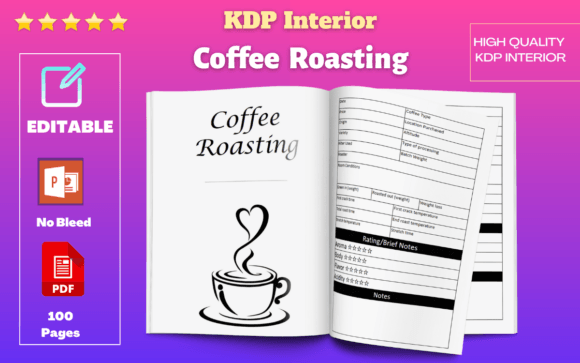
The visual personality of this log book interior is one of clean, functional elegance. It eschews clutter in favor of a layout that prioritizes the roaster's workflow. Each page is a dedicated canvas for a single roast, featuring well-organized fields for critical data: bean origin, batch size, charge temperature, development time, color changes, and, crucially, tasting notes. The typography is chosen for clarity and a touch of sophistication—likely a clean sans serif font for headings paired with a highly legible serif or sans serif for body text, ensuring that handwritten notes remain the star. The overall appeal is professional yet approachable, mirroring the blend of precision and passion that defines the specialty coffee community. It feels like a serious tool, not a generic notebook, which subtly elevates the user's own practice.
This premium font selection and minimalist design assets approach means the interior has strong visual hierarchy. Important sections guide the eye naturally, making it easy to record information quickly during the fast-paced roasting process. The 6"x9" size is perfectly portable—fits on a counter near the roaster or in a bag for a cupping session. The lack of bleed and high-resolution vectors ensure that whether you print it yourself or use it for a KDP publication, the result is crisp and professional every time. This is commercial use ready, meaning you can build a branded product for your business with this as the core.
From Personal Tool to Commercial Product
The true strength of a well-designed interior like this lies in its versatility. For the individual, it is an invaluable personal log. But for the entrepreneur, marketer, or publisher, it is a launchpad. This digital download is not just a PDF; it's a fully editable PowerPoint file. This is where your brand identity comes into play. Imagine adding your own logo to the cover, adjusting the color scheme to match your café's branding, or incorporating your unique roasting philosophy into the introduction. You are not just selling a log book; you are selling a curated experience that aligns with your brand perception.
- For Small Business Owners: Create a branded merchandise item for your roastery or coffee shop. Sell it as a companion to your beans, reinforcing customer loyalty and positioning your brand as a resource, not just a retailer.
- For Content Creators & Bloggers: Develop a niche product for your audience. Pair it with digital guides on roasting techniques or bean sourcing, creating a valuable product ecosystem.
- For Designers & Entrepreneurs: Use this as a template to quickly enter the profitable niche of specialty hobby journals. The commercial font licensing and editable files give you a head start in creating a unique product for Amazon KDP or your own e-commerce site.
Practical Guidance for Implementation
When integrating this interior into a project, think beyond the template. The font pairing within the interior is designed for function, but your cover design is where you can make a bold statement with a complementary display font or script font that captures the artisanal feel of coffee. Test how your chosen cover typography interacts with the interior's style. Does it create a cohesive brand identity? The interior's consistency in layout and typography is a strength—it builds user familiarity and trust, which is a cornerstone of professional publishing.
Evaluate the project fit by considering your end-user. A professional roaster needs detailed fields for technical data, while a hobbyist might appreciate more space for subjective notes. The beauty of the editable format is that you can adapt it. You could create two versions: a detailed technical log and a more narrative tasting journal. This attention to audience engagement shows a deep understanding of the market, a key principle of E-E-A-T (Experience, Expertise, Authoritativeness, Trustworthiness).
Remember, the goal is readability and utility. The interior's design already supports this, but your additions should enhance, not hinder. If you add instructional pages, ensure they are written in a helpful, conversational tone that speaks to the real-world challenges of roasting. This practical, user-first approach is what will make your final product—whether for personal use or commercial sale—genuinely valuable and successful in a crowded market. It’s a testament to how thoughtful editorial design and strategic use of design assets can create something that is both beautiful and indispensable.